Physical Address
304 North Cardinal St.
Dorchester Center, MA 02124
 Skip to content
Physical Address
304 North Cardinal St.
Dorchester Center, MA 02124

Your favorite sports world
Your favorite sports world
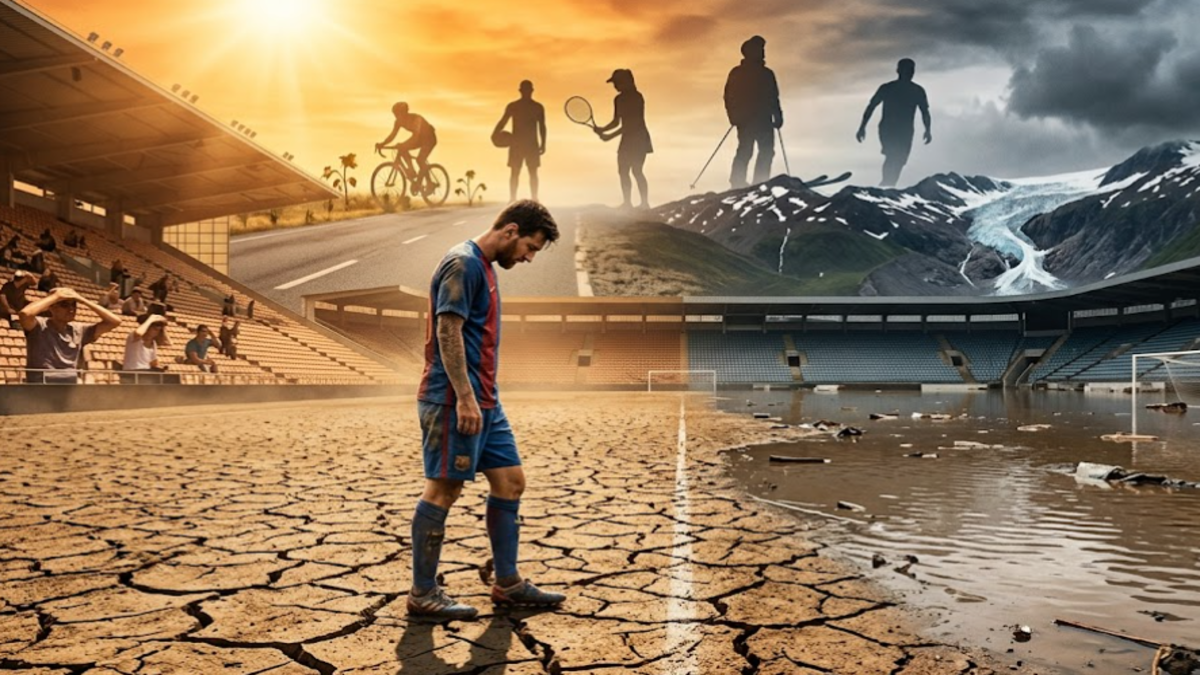
GLOBAL – Sport 4 ever: How Climate Change Affects Sports

Climate change is no longer only an environmental issue; it has become a growing challenge for the world of sport. Rising temperatures, extreme weather events, droughts, floods and changing seasons are affecting athletes, competitions, stadiums and fans across the globe. From football fields exposed to dangerous heat to winter sports facing shrinking snow seasons, the relationship between climate and sport is becoming impossible to ignore.
Recent climate reports and daily news coverage show that extreme conditions are increasingly influencing sporting decisions, health measures and event planning. Scientists and sports organisations are warning that the conditions athletes compete in are changing faster than many systems can adapt.
But how exactly is climate change transforming the sports world, and what can athletes and organisations do to protect the future of competition?
One of the most visible impacts of climate change on sport is the increase in extreme heat. Athletes depend on stable environmental conditions to perform safely, but hotter temperatures are creating new risks, especially for outdoor competitions.

High temperatures affect the human body by increasing dehydration, reducing concentration and placing additional stress on the heart and muscles. Sports medicine experts have warned that athletes may be among the first groups to experience the direct consequences of a warming planet because their performance often requires intense physical effort under exposed conditions.
Football, tennis, athletics and cycling are among the sports most affected by heat because competitions frequently take place outdoors and require sustained physical effort. During periods of extreme heat, organisers may need to introduce longer breaks, adjust schedules or change competition times to reduce health risks.
Recent scientific analysis has highlighted concerns about major football tournaments held in hot climates, with researchers warning that heat and humidity can affect both player safety and performance.
The problem is not limited to professional athletes. Amateur sports participants, young players and local communities are also exposed to increasing heat risks during training sessions and weekend competitions.
Climate change is also changing where and when sports can be played. Many traditional sporting calendars were created around predictable weather patterns, but those patterns are becoming less reliable.
Winter sports are facing some of the most serious challenges. Skiing, snowboarding and other snow-based activities depend on cold temperatures and regular snowfall. Shorter winters and unstable snow conditions are forcing organisers to invest in artificial snow systems or reconsider competition locations.
At the same time, summer sports are dealing with stronger heatwaves, storms and unpredictable weather events. Extreme rainfall can damage playing surfaces, delay matches and create safety concerns for spectators.
Major sporting organisations are increasingly focusing on climate adaptation. Many are reviewing stadium designs, improving cooling systems and developing emergency plans for extreme weather conditions.
The global sports community is also looking at sustainability measures to reduce its environmental impact. Initiatives include lowering carbon emissions from travel, improving energy efficiency in stadiums and promoting greener event management. Organisations such as the United Nations provide information and resources on climate action and environmental responsibility. United Nations Climate Change
Beyond heat, extreme weather events are becoming a major concern for sports competitions. Floods, wildfires, storms and poor air quality can interrupt events and create dangerous conditions.
Wildfires, for example, can affect outdoor competitions by reducing air quality. Athletes who rely on high levels of endurance may experience breathing difficulties when pollution levels rise. Marathon runners, cyclists and outdoor teams are particularly vulnerable because their sports require prolonged exposure to the atmosphere.
Flooding is another growing problem. Heavy rainfall can damage football pitches, tennis courts and training facilities. In some regions, clubs and communities are facing rising costs because they must repair infrastructure more frequently.
Climate-related disruption also affects fans. Travel plans can be interrupted by storms, extreme temperatures can make stadium conditions uncomfortable, and organisers must consider new safety procedures for large crowds.
These challenges show that climate change is not only changing how athletes perform but also how sporting events are organised and experienced by millions of supporters.
Climate change is also creating economic pressure across the sports industry. Building climate-resistant stadiums, maintaining facilities and adapting event schedules require significant investment.
Sports organisations must now consider environmental risks when selecting locations for tournaments. A city that once offered ideal conditions may face new challenges due to rising temperatures or extreme weather.
Sponsors and broadcasters are also paying closer attention to sustainability. Many companies involved in sport are under pressure from fans and communities to support environmental responsibility.
The financial impact extends to smaller clubs as well. Local teams often have fewer resources to repair weather damage or upgrade facilities, making them more vulnerable to climate-related problems.
As climate risks continue to increase, planning for environmental changes is becoming a necessary part of sports management.
The sports world is beginning to take action through adaptation and sustainability strategies. Many organisations are investing in renewable energy, reducing waste and improving resource management.
Stadiums are becoming more environmentally efficient through measures such as solar energy systems, improved water management and smarter cooling technologies. Some clubs are also encouraging fans to use public transport and reduce emissions linked to match attendance.
Athletes themselves are becoming important voices in climate discussions. Many sports figures are using their public platforms to raise awareness about environmental protection and encourage action.
Education is another important step. Coaches, players and organisers need information about heat safety, emergency preparation and sustainable practices.
However, experts say that adaptation alone may not be enough. Reducing greenhouse gas emissions remains essential to limit future risks and protect sports for future generations.
Sport has always reflected the conditions of the world around it. As the climate changes, competitions will also have to evolve.
Future athletes may compete under different rules designed to protect health in extreme conditions. Tournament schedules may shift, new technologies may become standard, and some locations may become unsuitable for certain sports.
The challenge facing the sports industry is balancing tradition with adaptation. Fans want to preserve the history and excitement of competitions, but safety and sustainability will increasingly shape decisions.
Climate change has already become part of the sports conversation. The question is no longer whether it will affect sport, but how quickly the sporting world can respond.
How does climate change affect athletes?
Higher temperatures and extreme weather increase health risks, reduce performance and create unsafe competition conditions.
Which sports are most affected by climate change?
Outdoor sports such as football, athletics, cycling and winter sports are among the most affected.
Can technology help sports adapt to climate change?
Yes. Better stadium designs, cooling systems and environmental planning can reduce risks.
Why should sports organisations act on climate change?
Protecting athletes, fans and future competitions requires preparation for changing environmental conditions.