Physical Address
304 North Cardinal St.
Dorchester Center, MA 02124
 Skip to content
Your favorite sports world
Your favorite sports world
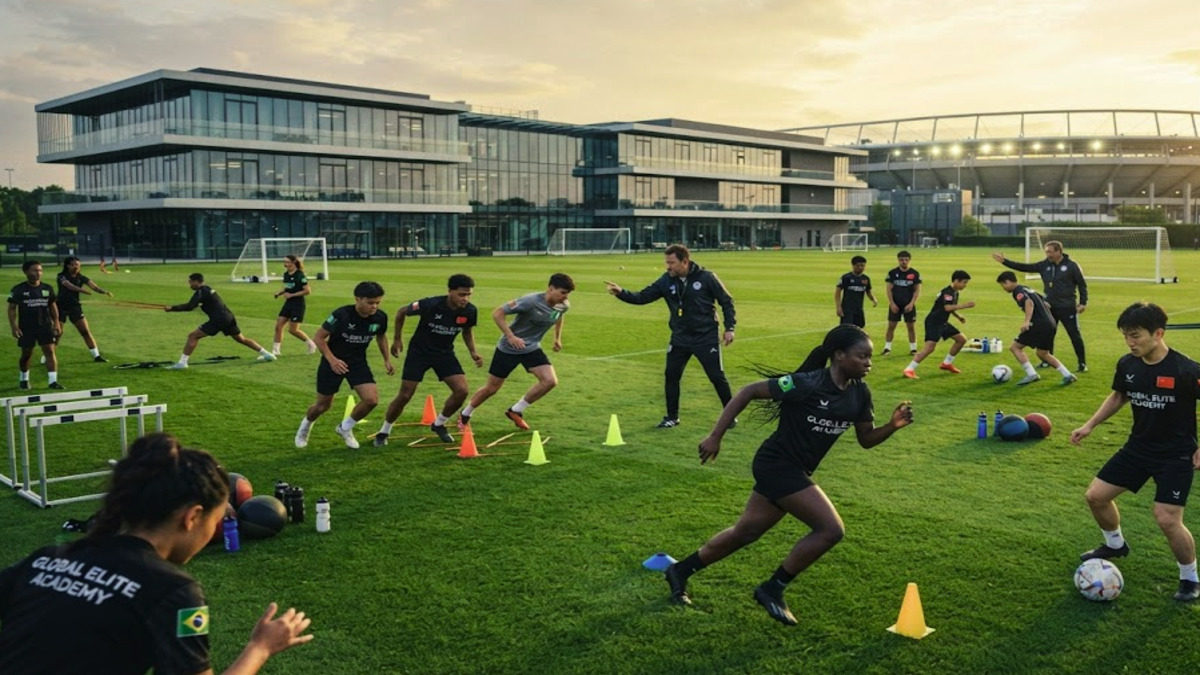
Global – Sport 4 Ever: Youth development is the foundation behind how countries produce future champions, with sports academies, talent identification programs and structured training systems helping young athletes progress from grassroots competition to elite levels. But what separates nations that consistently create top athletes from those that struggle to develop talent?

The development of future champions does not happen overnight. Countries that succeed in producing athletes at the highest level usually rely on long-term planning, investment in coaching, competitive opportunities and systems that support young players during their early careers.
Recent developments in global sport continue to highlight the importance of youth pathways. From football academies in Europe to emerging talent programs across different sports, organizations are focusing on creating environments where young athletes can improve technically, physically and mentally.
The strongest youth development models combine several elements: early talent identification, qualified coaches, modern facilities and regular competition. These factors allow young athletes to build experience while improving their skills.
Countries with successful sporting traditions often create clear pathways between schools, local clubs and professional teams. This structure helps promising athletes move step by step instead of relying only on individual talent.


In football, for example, Spain has developed a reputation for producing technically skilled young players through academy systems that emphasize ball control, tactical understanding and competitive exposure. Youth tournaments and academy programs continue to provide opportunities for emerging players to demonstrate their abilities.
The same principle applies across different sports. A young athlete needs access to training, competition and guidance before reaching the professional stage.
Sports academies are among the most important tools in youth development. They provide structured training programs where athletes learn the technical and strategic aspects of their sport.
Modern academies also focus on education, discipline and personal development. The goal is not only to create elite athletes but also to prepare young people for different career paths if professional success does not happen.
International programs have expanded this approach by connecting young athletes from different countries with professional environments. Projects such as global youth football initiatives have brought promising players together for high-level training camps and educational experiences alongside established clubs and academies.
A successful academy system usually includes:
Coaches play a central role in transforming potential into performance. A talented young athlete needs guidance to develop decision-making, discipline and consistency.
Scouting networks also help countries discover talent outside major cities and traditional sporting centers. Many successful programs invest in finding athletes at an early age and providing them with opportunities that might otherwise be unavailable.
Football organizations have increased their focus on structured talent development. FIFA has highlighted youth player and coach development as part of its long-term strategy, including programs designed to expand opportunities for young players around the world.
Elite athletes require more than physical ability. Education, discipline and life skills are becoming important parts of youth sports programs.
Many academies combine academic support with athletic training to help young athletes manage both areas. This approach creates a balanced environment where players can develop without ignoring their education.
Competition is another essential factor. Young athletes improve when they face strong opponents and experience different styles of play.
Youth tournaments, regional competitions and international events give athletes exposure and help coaches identify players who are ready for higher levels.
Producing champions requires patience. Countries that achieve consistent success usually build systems that operate over many years rather than focusing only on short-term results.
Investment in facilities, coaching education and grassroots participation creates a larger pool of potential athletes. This increases the chances of discovering future stars.
Recent examples from global football show how structured youth programs continue to influence national success. Spain’s development model and international academy projects demonstrate the importance of combining technical training with organized pathways.
The process begins long before an athlete reaches the professional stage. The question is not only who has talent, but which countries can create the environment where that talent grows.
What is youth development in sports?
Youth development is the process of training and supporting young athletes to improve skills, performance and long-term potential.
Why are sports academies important?
Academies provide structured coaching, competition and development programs that help young athletes progress.
How do countries discover future champions?
Countries use scouting networks, schools, clubs and competitions to identify promising athletes.
What makes a successful youth sports system?
Strong coaching, facilities, education and long-term planning are key elements.
Youth development is the starting point for building future champions. Countries that combine training, education, competition and strong support systems create better opportunities for young athletes to reach elite levels.
The success of tomorrow’s champions depends on the foundations built today.